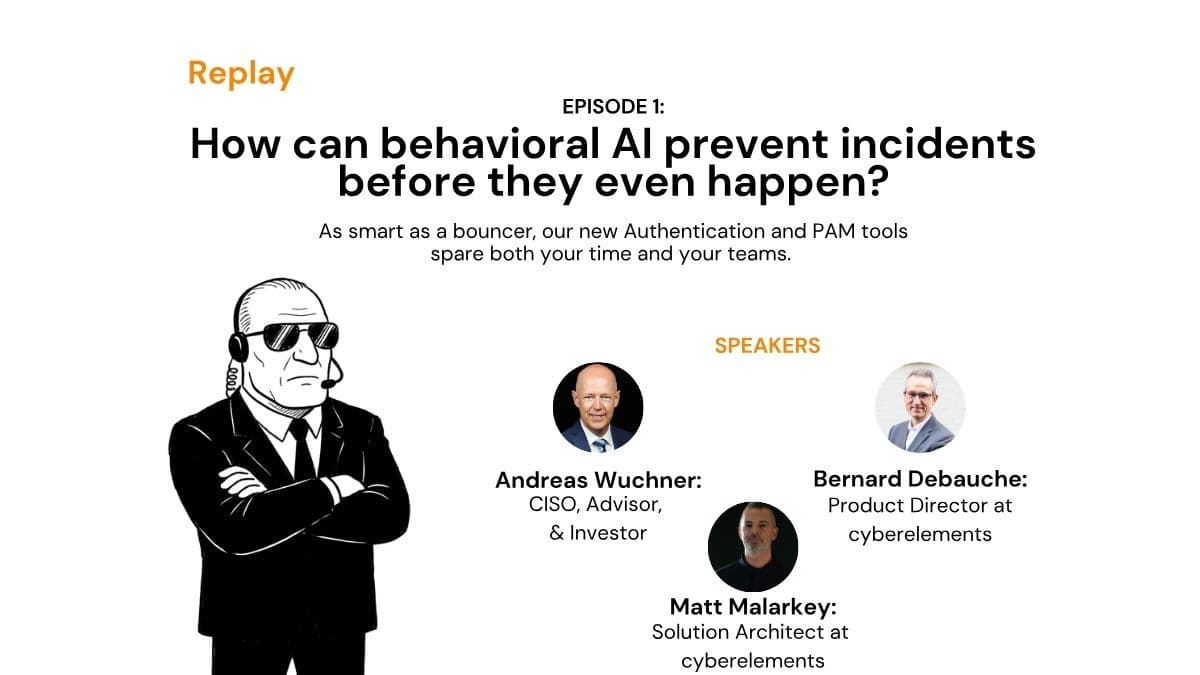
Identity is failing. Attackers are logging in.
The reality of modern cybersecurity is simple: attackers no longer need to break in, they log in. Stolen credentials, intercepted tokens and compromised devices have made identity-based security increasingly fragile.
Once inside, attackers take advantage of identity-centric systems that grant too much trust and give too little visibility into what users actually do. By the time suspicious activity is spotted, the damage is often already done.
At the same time, organisations record vast amounts of privileged session data every day. That data is rarely used proactively: it sits idle, reviewed only after an incident, which turns security into a reactive and time-consuming process.
What you’ll learn in this replay
In this session we break down why traditional identity models are reaching their limits, and what comes next:
- How behavioural biometrics can strengthen authentication without introducing additional friction for users.
- How AI can turn privileged session monitoring from a passive recording tool into an active, real-time security layer — with concrete examples of organisations shifting from reactive investigation to proactive threat prevention.
By the end you’ll have practical insights you can apply to modernise your own security approach.
A new approach to authentication and session security
We introduce two innovations designed to overcome the limits of identity-based security.
PULSE rethinks authentication by removing the dependency on devices and credentials. It uses behavioural biometrics to verify users by how they type and interact. The experience stays simple — users need only type a few words — while in the background AI analyses their unique behavioural signature.
LENS addresses another gap: the underuse of session recordings. Rather than storing videos that are reviewed only after an incident, LENS uses AI to analyse sessions in real time. It compares expected behaviour against actual actions and enables immediate security decisions, turning session monitoring into a proactive defence.
Together, these innovations represent a shift from static identity checks to dynamic, behaviour-driven security.
Watch the replay to see how behavioural AI introduces a model of security that continuously verifies users in real time, without adding friction.
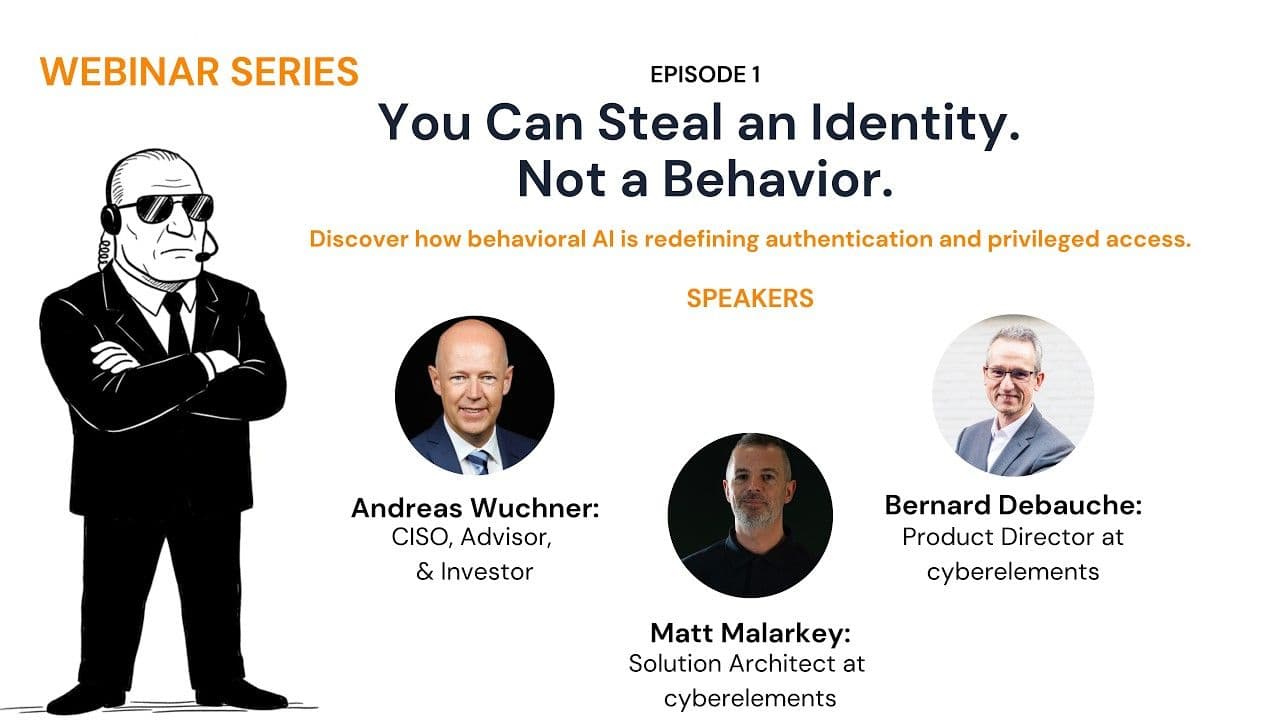
Speakers
Andreas Wuchner, CISO, advisor and investor. Andreas brings a strategic perspective shaped by years of leading global security programmes and advising organisations on risk, identity and governance.
Bernard Debauche, Product Director at CyberElements. Bernard leads the development of the CyberElements security solutions, and shares the vision and the thinking behind these new innovations.
Matt Malarkey, Solution Architect at CyberElements. Matt brings hands-on expertise from the field, with practical insight into how these technologies are deployed in real-world environments.
Tags
- Webinars
- PAM
- Authentication & SSO
- Defence & Critical Infrastructure
- Healthcare
- Industrial & Manufacturing
- MSPs
- Public Sector
- Financial Services
- Secure Remote Access
- Third-Party & Vendor Access
- OT & Industrial Security
- Audit & Compliance
Check other relevant resources

Meurthe-et-Moselle Departmental Council
Delivering a seamless remote working experience for employees.
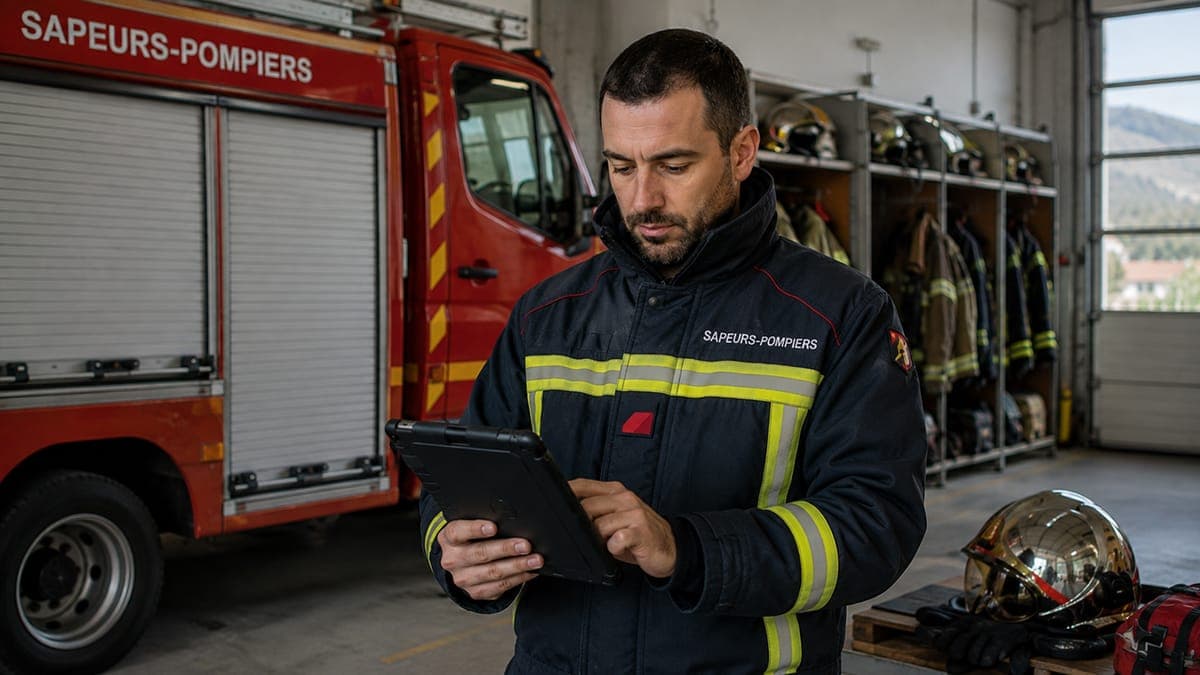
Hautes-Alpes Departmental Fire and Rescue Service
Securing and simplifying volunteer firefighters’ access to operational applications.

Bièvre Isère Regional Authority
Bièvre Isère authority chose cyberelements to streamline employee integration and enable staff to be fully operational on their first day.
 View All